Mon Jan 29 - Written by: Suraj Raika
Indonesia's Elephant Riding Ban: A Step Towards Ethical Tourism, But What About Local Livelihoods?
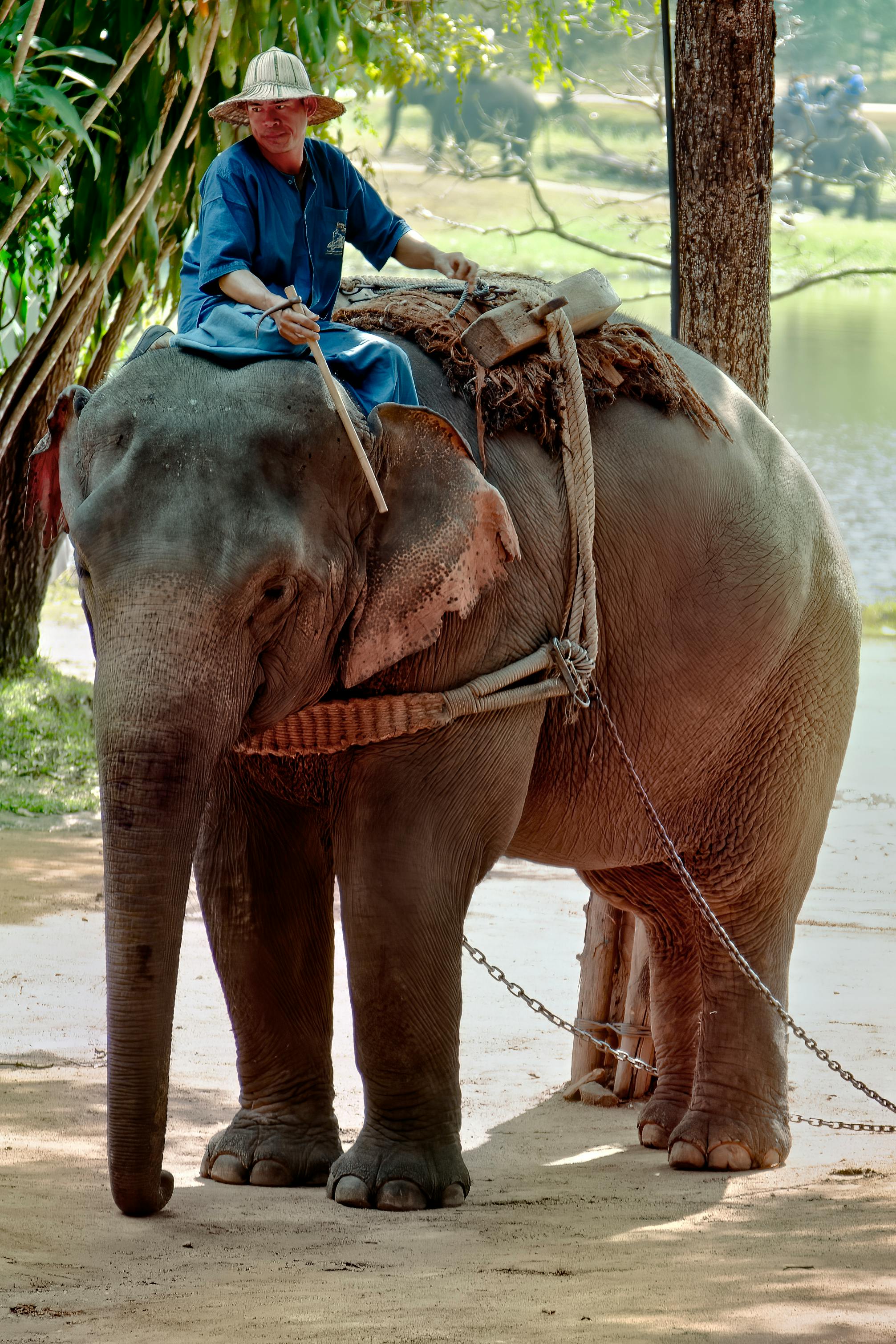
Indonesia's nationwide ban on elephant riding sparks debate: a win for animal welfare, but concerns rise for communities dependent on this tourism.
As a travel enthusiast and someone deeply invested in the ethics of tourism, I’ve been following the recent news out of Indonesia with great interest. The Ministry of Forestry’s Directorate General of Natural Resources and Ecosystem Conservation has officially issued a nationwide ban on elephant riding activities. This is a monumental step, marking a clear shift towards more ethical and observation-based wildlife tourism.
For years, animal welfare organizations have highlighted the immense suffering elephants endure in the riding industry. From brutal training methods to long hours carrying tourists in harsh conditions, it’s clear that these practices are far from natural or humane for these majestic creatures. So, for many, this ban is a huge victory – a sign that the world is finally recognizing the need to prioritize animal welfare over entertainment.
The Reddit Debates: A Mixed Bag of Opinions
I can imagine the discussions on platforms like Reddit are buzzing with diverse opinions. On one hand, you’ll have passionate advocates celebrating this win for elephants. Users are likely sharing stories of abuse, linking scientific studies on elephant cognition and welfare, and urging other countries to follow Indonesia’s lead. The sentiment would be overwhelmingly positive about the ethical implications, praising the government for taking a stand.
However, the reality on the ground is often more complex. There’s bound to be a strong contingent of voices raising concerns about the livelihoods of local communities. Imagine being an elephant owner or a mahout (elephant handler) whose entire income, and often generations of family history, is tied to these activities. What happens to them? How will they support their families? Reddit threads would likely see discussions about the need for sustainable alternatives, government support programs, and retraining initiatives for those affected. Without proper planning and transition, a ban, however well-intentioned, can inadvertently harm human lives.
Then there are always the skeptics. Some might question the enforcement, wondering if “ethical tourism” truly means better lives for the elephants or if it’s just a rebranding effort. Others might point to existing elephant sanctuaries that are doing good work and suggest that a blanket ban might not be the most nuanced approach.
My Take: A Necessary, But Nuanced, Evolution
For me, the ban on elephant riding is a necessary evolution in the tourism industry. Our understanding of animal intelligence and welfare has grown, and it’s time our practices reflect that. The image of a tourist happily riding an elephant, unknowingly contributing to its suffering, is becoming increasingly outdated.
However, we cannot ignore the human element. The transition must be managed with care and empathy for the communities whose lives are intertwined with these animals. This isn’t just about banning a practice; it’s about fostering a new, more sustainable, and ethical model of tourism that benefits both animals and people.
Indonesia’s move sets a powerful precedent. It’s a reminder that as travelers, our choices have a profound impact, and as an industry, we have a responsibility to evolve towards practices that are truly respectful of all living beings. Now, the real work begins: ensuring this ban leads to genuine welfare improvements for elephants and sustainable livelihoods for the people who care for them.